



Understanding Plumber Certification Requirements is crucial for building a skilled, compliant, and competitive team. Knowing the credentials your technicians need — from apprentices to master plumbers — protects your business and builds customer trust. For plumbing contractors, your team's certifications directly impact your reputation, insurance costs, and ability to win contracts.
Quick Overview: Core Plumber Certification Requirements
- Earn a high school diploma or GED (required for most apprenticeships)
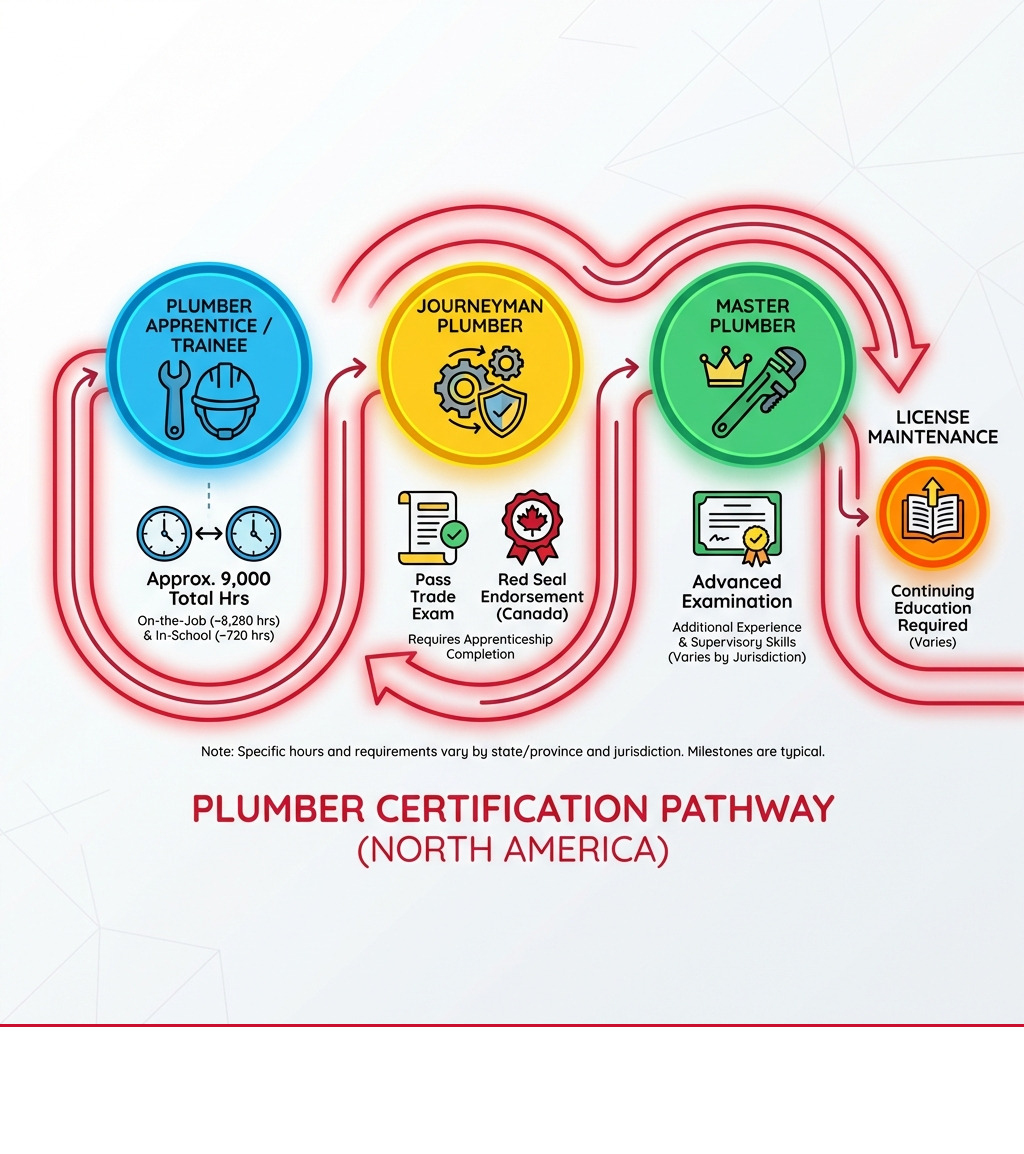
- Apprenticeship Training: Typically, around 9,000 hours total (on-the-job and in-school training)
- Journeyman Certification: Requires 4-5 years of apprenticeship and passing a trade exam
- Work 1-5 more years as a journeyman,**** earning diverse experience
- Study for and pass the Master Plumber Exam
- Master Plumber License: Requires additional years of experience and an advanced exam
- Compulsory vs. Voluntary: Certification is mandatory in some regions but voluntary in others
- Red Seal Endorsement: Allows certified plumbers to work across Canada
- Continuing Education: Often required to maintain active licensure and differs from state to state

Certified technicians deliver higher quality work, reduce callbacks, and help justify premium pricing. With a significant shortage of skilled trades, investing in certification helps you attract and retain top talent, positioning your business as a professional, trustworthy choice. This guide breaks down the essentials of certification and how it benefits your business.
Navigating Plumber Certification Requirements in North America
The path to becoming a certified plumber is rigorous, ensuring only qualified professionals handle critical water and waste systems. For business owners, understanding this path is key to building a competent and reliable workforce.
The Path to Certification: From Apprentice to Master
The journey typically begins with an apprenticeship, a structured training model that combines on-the-job experience with classroom instruction.
- Apprenticeship: Lasting four to five years, this is an employer-sponsored program. Aspiring plumbers generally need a high school diploma and must be at least 18 yours old. The training is extensive; for example, a total of 4,000 to 8,000 hours spent on real job sites under the supervision of a master or licensed journeyperson. The process involves finding a sponsoring employer (either directly or through a union), registering with the local apprenticeship authority, and completing the required training hours and curriculum. Classroom instruction is also required (often 144 to 200 hours per year).
- Journeyman Plumber: After completing an apprenticeship and passing a trade exam, an individual becomes a Journeyman. They are qualified to work independently but often operate under the general supervision of a Master Plumber.
- Master Plumber: This is the highest level of certification, requiring several more years of experience and passing an advanced exam. A Master Plumber can supervise other plumbers, pull permits, and own and operate a plumbing business.
In Canada, the Red Seal endorsement is a significant credential. Earned by passing the interprovincial Red Seal examination, it allows a plumber to work anywhere in the country, signifying a national standard of excellence.

State and Provincial Variations
Requirements vary significantly across North America. In Canada, certification is compulsory in provinces like Ontario and Alberta but voluntary in others like British Columbia. The U.S. has a similar patchwork of state-level rules.
- New York City has some of the most stringent requirements, demanding at least seven years of specific experience under a licensed Master Plumber.
- Texas offers a clear hierarchy of licenses and specialized endorsements, such as for Medical Gas Piping Installation. You can explore all Texas licenses and endorsements on the TSBPE website.
- Washington State has a tiered system with different hour requirements for residential, commercial, and specialty plumbers.
Because of these differences, check with your local governing body to ensure compliance. To maintain licensure, most jurisdictions also require ongoing Continuing Education (CE) to keep plumbers current with new codes and technologies. Want to learn more about how our offerings can benefit your business? Find more info about our plans and see how we support your success.
The Business Case for Certification
Investing in your team's certification is a strategic decision with tangible returns. While there are costs — including potential tuition, exam fees, and renewal fees — the ROI is clear.
- Attract and Retain Talent: A commitment to professional development makes your business more attractive to top talent. Offering clear career paths for advancement and specialization helps retain skilled employees.
- Improve Quality and Reputation: Certified plumbers are trained to industry standards, which means higher quality work, fewer errors, and reduced callbacks. This builds a reputation for reliability and trust with customers.
- Gain a Competitive Edge: In a market with a good employment outlook and steady growth for plumbers, a fully certified team helps your business stand out, take on more complex projects, and justify premium pricing. The US Bureau of Labor Statistics is projecting plumbers/pipe fitters/steamfitters' positions to grow 4 percent from 2024 to 2034 which is about as fast as the average for all occupations.
Enhancing Your Business with Certified Professionals and Extended Warranties
Your commitment to exceeding Plumber Certification Requirements is a cornerstone of your business strategy, directly impacting marketing, customer relationships, and your bottom line.
Leveraging Certification for Marketing and Growth
A certified team is one of your most powerful marketing tools. Use it to build trust and justify your value.
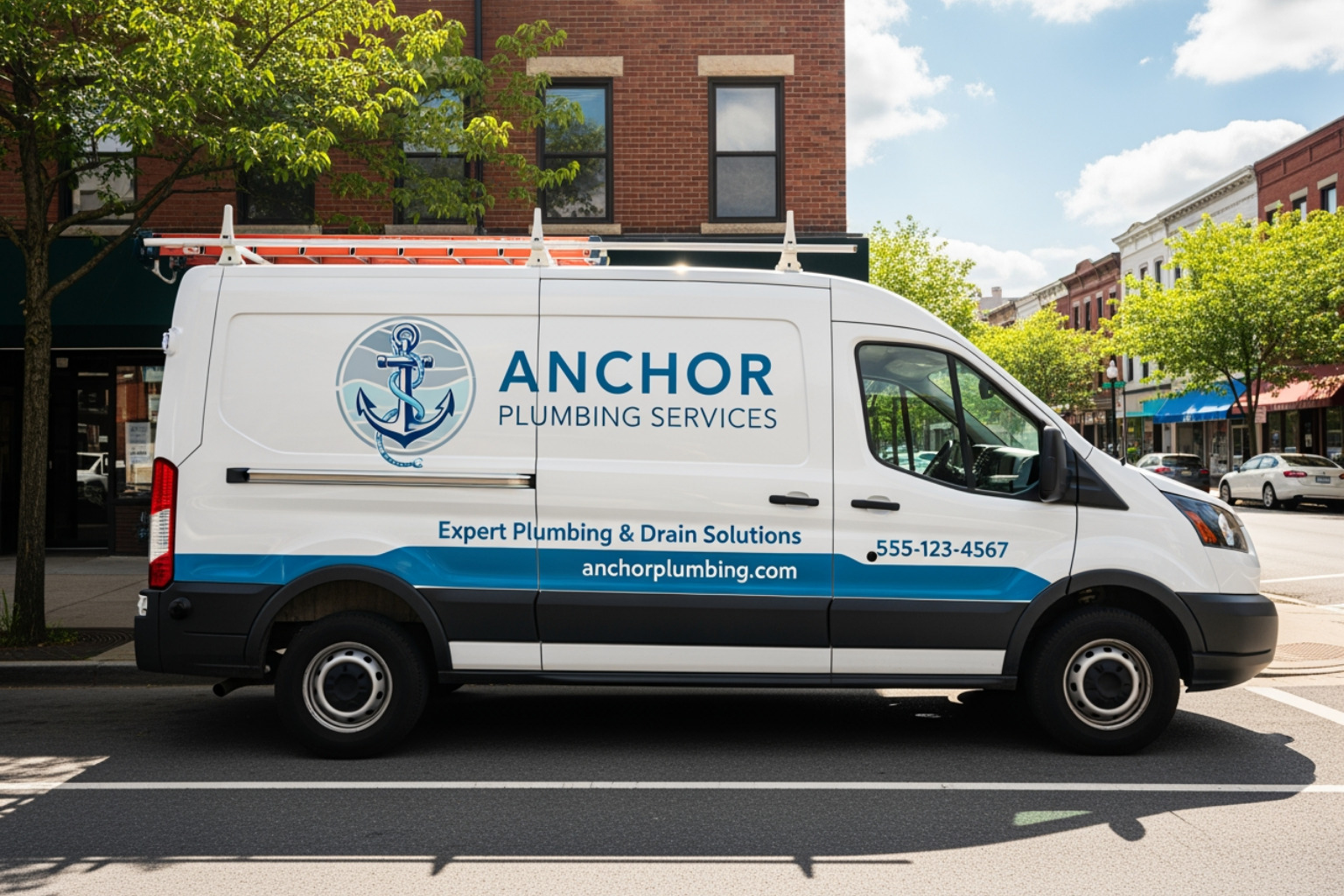
- Build Customer Confidence: Highlight your team's certifications on your website, service vehicles, and marketing materials. This signals to customers that they are hiring qualified experts who perform work safely and to code.
- Justify Premium Pricing: Emphasize the expertise and rigorous training behind every job. Customers are willing to pay for the peace of mind that comes with quality workmanship.
- Gain a Competitive Advantage: In a crowded market, a commitment to certification is a key differentiator that helps you win bids and attract discerning clients.
We understand the value of providing exceptional service. Our Dealer Benefits are designed to help you improve your offerings and customer satisfaction.
Plumber Certification: Frequently Asked Questions
What are the different levels of plumbing certification?
The plumbing career path typically consists of three main certification levels: Apprentice, Journeyman, and Master Plumber. An Apprentice learns under supervision, a Journeyman can work independently on most residential and commercial projects, and a Master Plumber has the advanced experience and licensing required to run a business and pull permits.
Why is a plumbing license required for professional work?
A plumbing license is a legal requirement that ensures a technician has the knowledge to protect public health and safety. Licensed plumbers must understand local building codes, proper venting, and backflow prevention to prevent water contamination and structural damage, which also protects the contractor from significant legal liability.
What are common specialized plumbing certifications?
Beyond a standard license, plumbers often earn specialized certifications in Backflow Prevention, Medical Gas Piping, and Green Plumbing (water efficiency). These advanced credentials allow contractors to take on high-value commercial and healthcare projects that uncertified competitors cannot bid on.
How does hiring certified plumbers benefit a plumbing business?
Hiring certified plumbers reduces the risk of costly rework, lowers insurance premiums, and builds immediate customer trust. Customers are more likely to pay a premium for a "licensed and insured" professional, and certified technicians are generally more efficient, leading to higher profitability and fewer warranty claims.
Do plumbers need continuing education to keep their certification?
Yes, most states require Continuing Education (CE) units to renew a plumbing license. This ensures technicians stay updated on changes to the International Plumbing Code (IPC), new tool technologies, and evolving safety standards, maintaining a high level of technical competency throughout their careers.
Partnering for Success: The Role of Extended Warranties
Beyond certification, offering extended warranties is a smart way to add value and protect your customers.
- Protect Customer Investments: Plumbing systems are a major investment. An extended warranty provides an extra layer of protection against unexpected repair costs for components like water heaters or main lines.
- Increase Job Value and Profit: Offering a warranty increases the total value of your service. It’s an upsell that benefits the customer with peace of mind while improving your average job ticket and profit margins.
- Strengthen Your Reputation: Standing behind your work with a robust warranty shows confidence and a commitment to long-term customer satisfaction.
This is where a partnership with JB Warranties helps. We provide Extended Warranty Solutions for Plumbing Contractors that cover repair costs for mechanical breakdowns, including both parts and labor. Our customizable, transferable plans allow you to offer this added value directly to homeowners. It’s a win-win: your customers feel more secure, and your business strengthens its reputation and profitability.


Tommy Cue
Vice President of Strategic Partnerships at JB Warranties