



For HVAC and plumbing contractors, building customer trust by delivering consistent quality, communicating transparently, and backing your work with guarantees translates directly into repeat business, referrals, and premium pricing power.
Quick Actions to Build Customer Trust:
-
1. Demonstrate competence: Deliver high-quality work and meet commitments.
-
2. Communicate clearly: Be upfront about pricing, timelines, and expectations.
-
3. Show empathy: Listen to customer concerns and respond quickly.
-
4. Back your work: Offer warranties to prove you stand behind your service.
-
5. Leverage social proof: Showcase reviews, testimonials, and certifications.
-
6. Empower your team: Train technicians to build trust in every interaction.
A sobering reality: while 9 out of 10 executives think consumer trust has grown in recent years, only 4 in 10 consumers say the same thing. (Source: PwC ). This gap costs your HVAC or plumbing company real money. Untrusting homeowners shop around and negotiate harder. Trusted contractors, however, gain loyal customers who pay fair prices and refer them to neighbors.
The stakes are high, as research shows that only 10% of shoppers continue doing business with a brand that has lost their trust (Source: Statistica, November 2025). This guide breaks down how to earn and keep customer trust.
The Blueprint: How to Build Customer Trust from the Ground Up
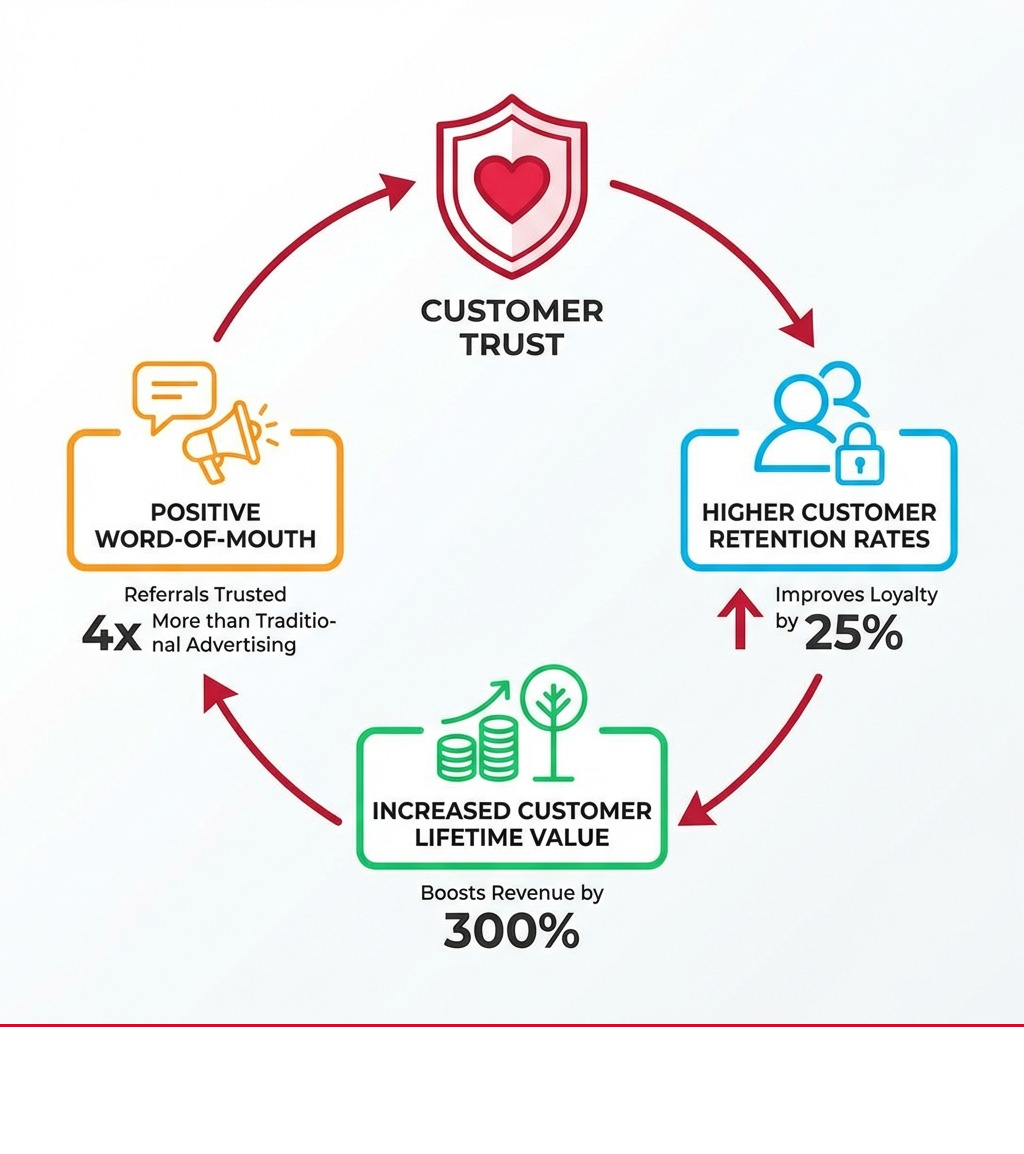
Customer trust is the bedrock of sustainable business growth. It's the confidence clients have that you'll deliver on your commitments, act in their best interests, and operate with integrity. This belief translates directly into loyalty and profitability. Let's explore the pillars that will help you build customer trust and cement your company's reputation.
Pillar 1: Demonstrate Unwavering Competence and Integrity
Competence and integrity are the twin engines of trust. Homeowners need to know you can do the job right and will do it honestly.
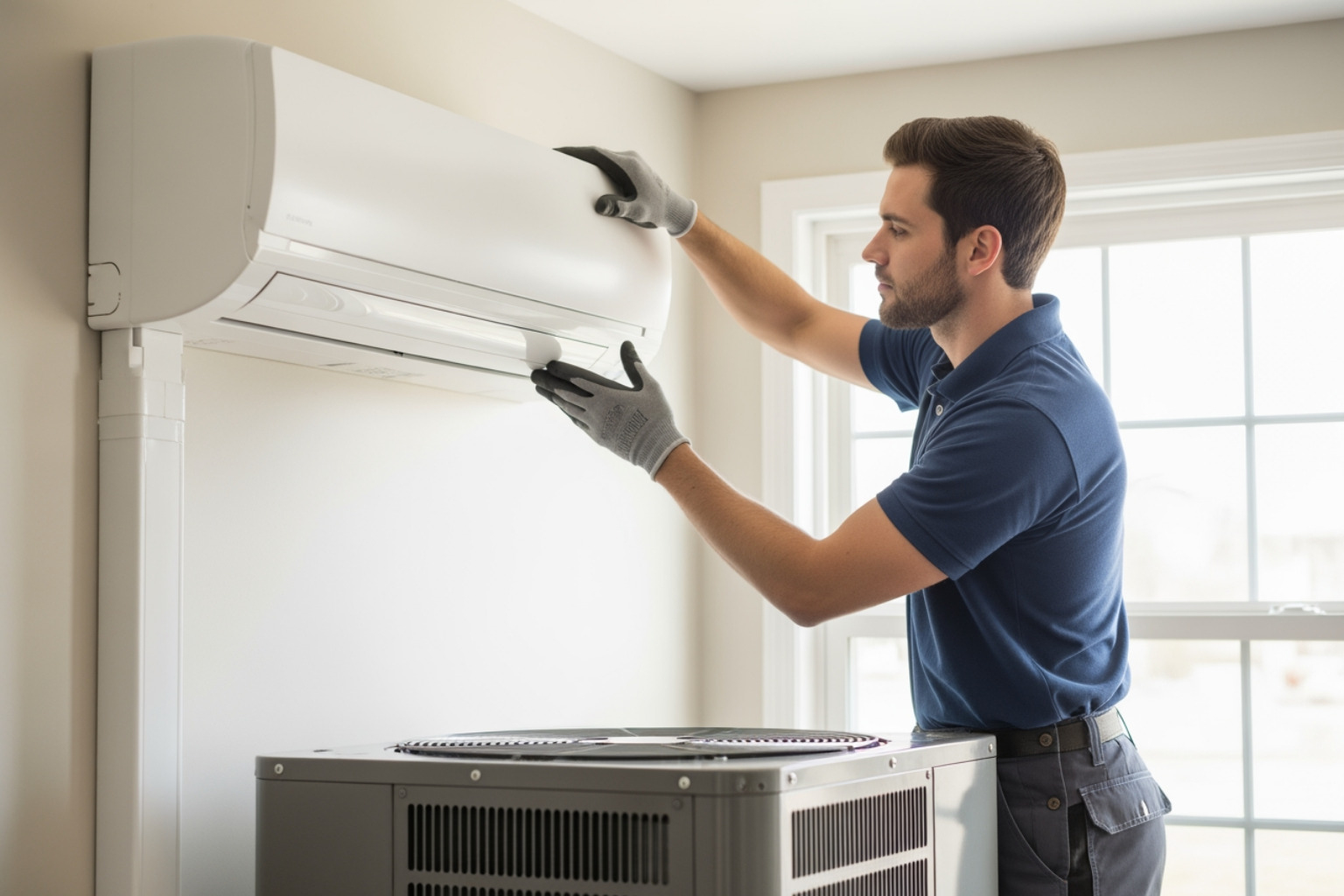
- Act Consistently and Deliver Quality: Consistency is key. Every repair and installation should meet a high, predictable standard. Don't oversell; set realistic expectations for timelines and outcomes to show you value your customers' trust.
- Invest in Training and Act with Integrity: Your technicians are your company's face. Ensure they are certified and trained in the latest technologies and soft skills. Integrity means being honest, protecting customer data, and being upfront about costs. Transparent pricing prevents surprises and builds confidence.
- Show Benevolence: Act with genuine care. Understand the stress a broken AC or burst pipe causes. Acknowledging their frustration and offering solutions shows you value them beyond the transaction.
JB Warranties' Sample Terms are designed to be clear and straightforward, reflecting our commitment to integrity.
Pillar 2: Master Transparent Communication to Build Customer Trust
Clear, honest, and empathetic communication prevents misunderstandings and solidifies relationships.
- Empathy and Accountability: Listen actively to customer concerns. If something goes wrong, take responsibility, apologize, and outline how you'll fix it.
- Proactive Communication: Keep customers informed. Send updates about technician arrival times or potential issues you notice during a check-up.
- Set Clear Expectations: Be explicit about timelines, costs, and what the service includes. When discussing extended warranties, clearly explain what is and isn't covered.
- Be Honest About Data: Approximately 66% of consumers would trust a company that is transparent about how they use personal data. Clearly communicate your data privacy practices. (Source: Statistica, November 2025).
- Empower Your Team and Maintain Brand Consistency: Give your team the authority to resolve issues on the spot. Ensure your branding is consistent across all platforms, from your website to your service vehicles, to create familiarity and predictability. Patagonia, for instance, builds trust by being transparent about its environmental values and actions (Source: Patagonia).
For more insights into transparent answers, review JB Warranties' FAQs.
Pillar 3: Leverage Social Proof and a Sterling Reputation
Before a new customer calls, they're likely doing their homework. Your reputation, amplified by social proof, is critical.
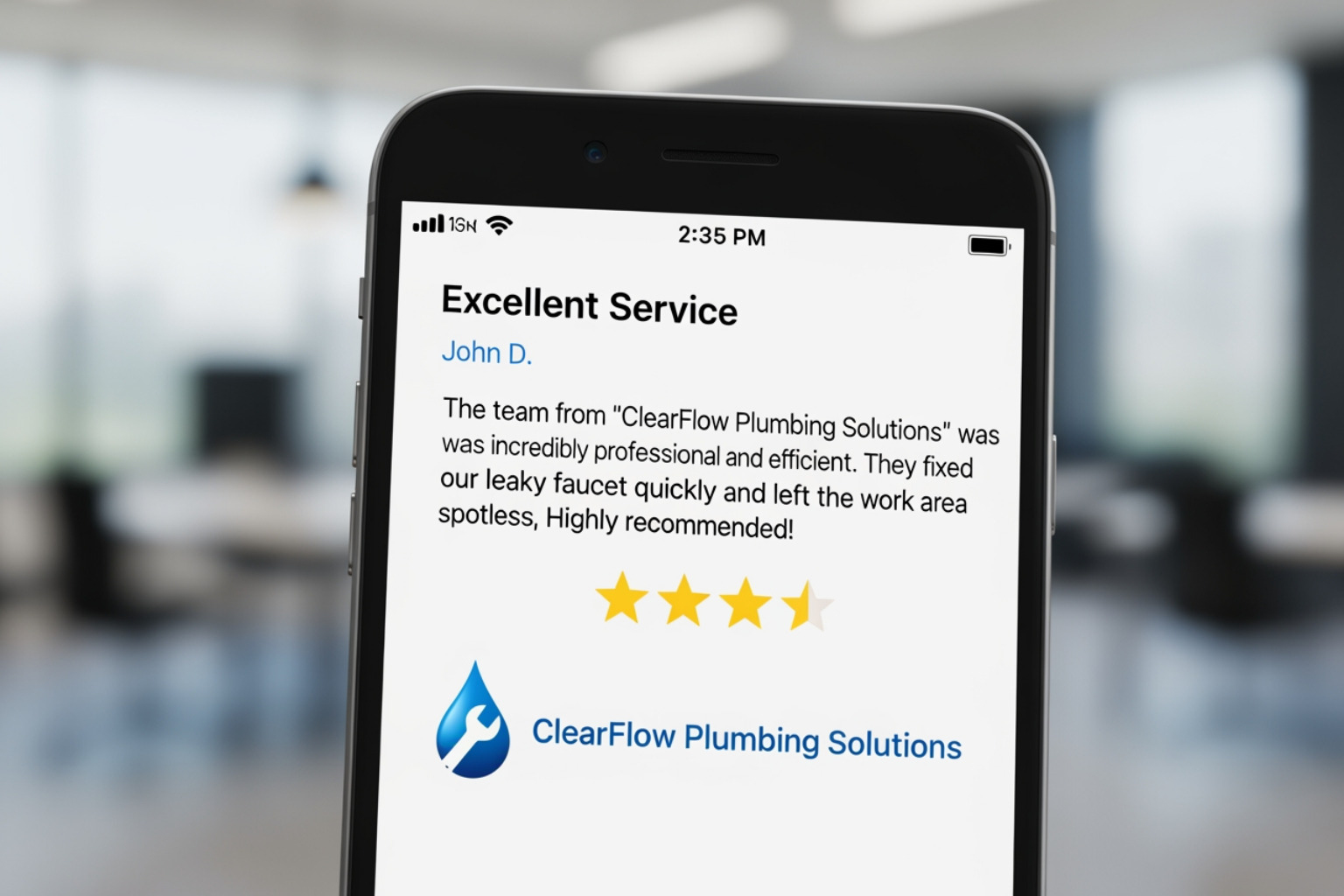
- Online Reviews and Word-of-Mouth: Online reviews are the new word-of-mouth. Actively encourage satisfied customers to leave reviews and respond to all feedback professionally. Exceptional service naturally generates positive word-of-mouth.
- Build Trust Before the First Call: Your online presence can establish credibility before a customer ever contacts you. Nearly 80% of millennial customers, for example, said they were driven to purchase a product based on trust in a brand name. (Source: Statistica, November 2025).
- Show Your Human Side: People trust people. Share stories about your team and community involvement. Highlighting your commitment to continuous learning by discussing topics like "AI Sends Gen Z Workers Toward Skilled Trades" or "Training Certifications for HVAC and Plumbing" also showcases your dedication to quality.
We know homeowners seek peace of mind, and JB warranties' Homeowner Benefits are designed to provide just that, enhancing your reputation.
Pillar 4: The Financial Case for Investing in Trust
Investing in trust is a shrewd business strategy with tangible financial returns.
- Customer Loyalty and Retention: Trust drives loyalty. When trust is broken, customers leave for good; one survey reported that only 10% of shoppers continued shopping from a brand that had lost their trust. (Source: Statistica, 2025)
- Higher CLV and Lower CAC: Loyal customers have a higher Customer Lifetime Value (CLV) and become your best marketers, reducing your Customer Acquisition Cost (CAC) through referrals.
- Stronger Market Position: A reputation for trustworthiness allows you to command premium pricing, as customers will pay more for peace of mind. It also helps you steer regulatory landscapes and mitigate risks associated with "HVAC and Plumbing Regulation Changes."
- Facilitating Growth: Trusting customers are more open to new services you offer, like smart home integrations, which helps your business innovate and grow.
The financial benefits of the decision to build customer trust are clear: higher retention, lower acquisition costs, and increased profitability.
Pillar 5: How to Measure and Maintain Customer Trust
Trust is an ongoing commitment that must be measured and maintained.
- Use Key Metrics: Track Customer Satisfaction (CSAT) scores after service calls and use the Net Promoter Score (NPS) to measure overall loyalty and trust.
- Gather Direct Feedback: Use surveys and monitor online review sites to gather qualitative insights into your performance.
- Respond and Improve: Acknowledge all feedback, both positive and negative, to show you're listening. Use these insights to continuously refine your processes, conduct training, and improve service delivery. This iterative process is crucial for maintaining trust over the long haul.
Measuring trust allows us to pinpoint where we excel and where we need to improve. If you have any questions or feedback, please Contact Us.
Building Customer Trust in Trades: Frequently Asked Questions
Why is there a trust gap between businesses and consumers?
According to PwC research, a significant trust gap exists: 90% of executives believe consumer trust has grown, yet only 40% of consumers agree. For HVAC and plumbing companies, closing this gap requires moving beyond technical competence to focus on transparent pricing, data privacy, and empathetic communication.
How does customer trust impact an HVAC company's profitability?
Trust acts as a "business currency" that drives higher Customer Lifetime Value (CLV) and lower acquisition costs. Trusted contractors can command premium pricing because customers will pay more for peace of mind. Conversely, research shows that only 10% of customers will stay with a brand once trust is broken.
What are the most effective ways to show 'social proof' in plumbing and HVAC?
Effective social proof includes displaying verified online reviews, industry certifications (like NATE), and clear labor guarantees. For millennials specifically, nearly 80% report that brand trust—built through consistent online reputation and transparent data practices—is the primary driver for their purchasing decisions.
Can offering extended warranties help build homeowner trust?
Yes. Offering an extended labor warranty is a tangible demonstration of integrity. It proves that you stand behind your work long-term. This reduces "buyer's remorse" and positions the contractor as a benevolent partner who prioritizes the homeowner's long-term comfort over a one-time transaction.
How should a service business measure customer trust?
Contractors should measure trust using key metrics like **Net Promoter Score (NPS)** and **Customer Satisfaction (CSAT)** scores. Monitoring the percentage of revenue from referrals and tracking online review sentiment are also vital for maintaining a sterling reputation and identifying operational gaps before they damage the brand.
Conclusion: Cementing Trust for Long-Term Success
In the competitive HVAC and plumbing industries, the decision to build customer trust is a strategic imperative. It's built through consistent actions: delivering quality work, communicating transparently, and genuinely caring for customers. This includes adapting to modern expectations like robust data privacy, as detailed in our Privacy Policy.
For contractors, offering an extended warranty from JB Warranties is a powerful way to demonstrate these principles. It's a tangible commitment to the homeowner's peace of mind, showing you stand behind your work long-term. It solidifies your reputation as a trustworthy partner who looks out for your customers' best interests.
By delivering on promises and backing your services with robust programs, you will build unshakeable customer trust, secure lasting loyalty, and drive profitability.
Ready to strengthen customer relationships? Learn more about the benefits of partnering with JB Warranties and see how our extended warranty programs can help you build customer trust.


Matt Cosby
Director of Marketing